Technical Description & Specifications
Product Overview: 1156XC-54L14-10R Switchback Dual-Color LED Bulb with Protective Glass Cover
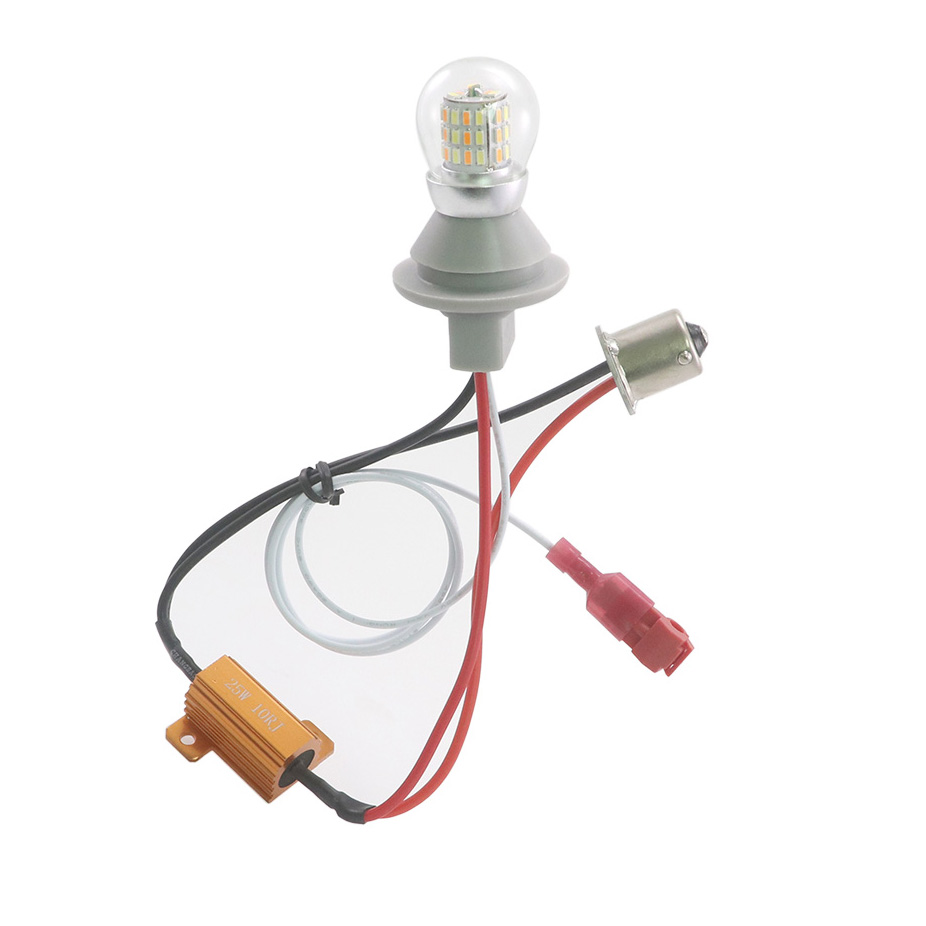
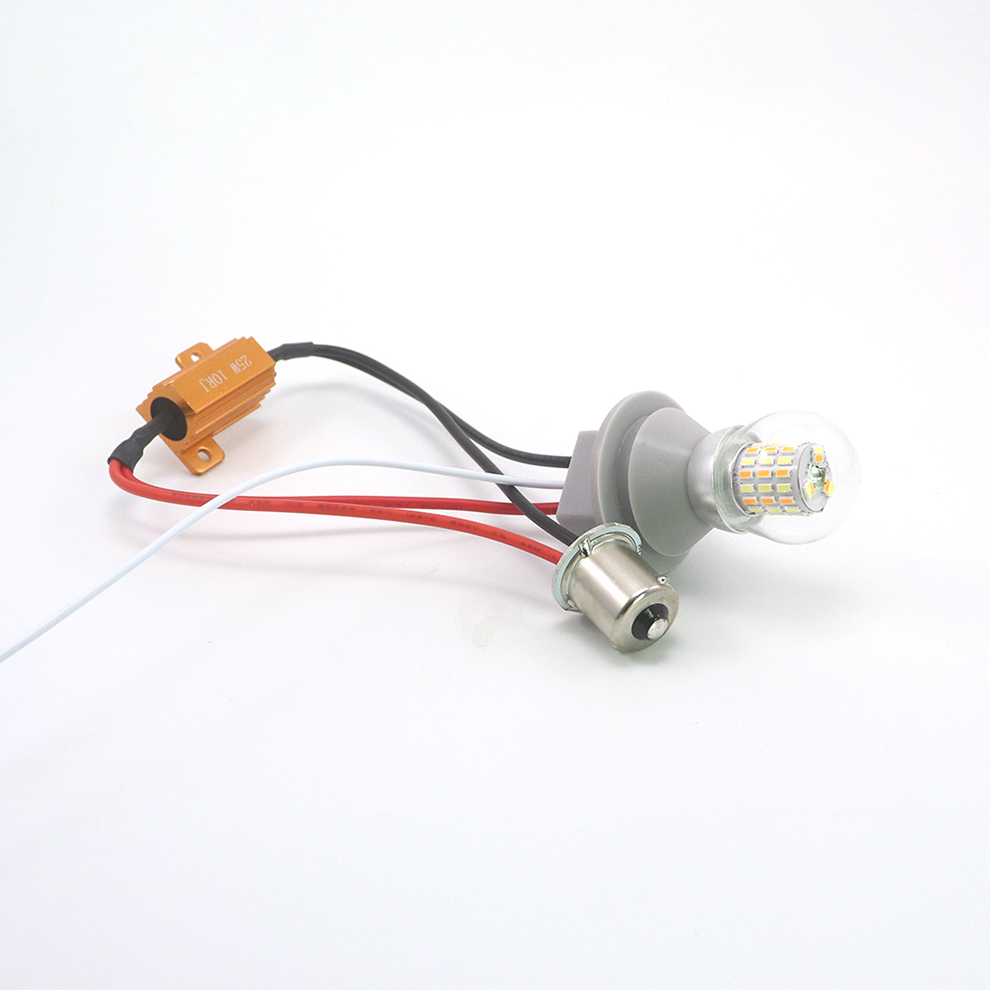
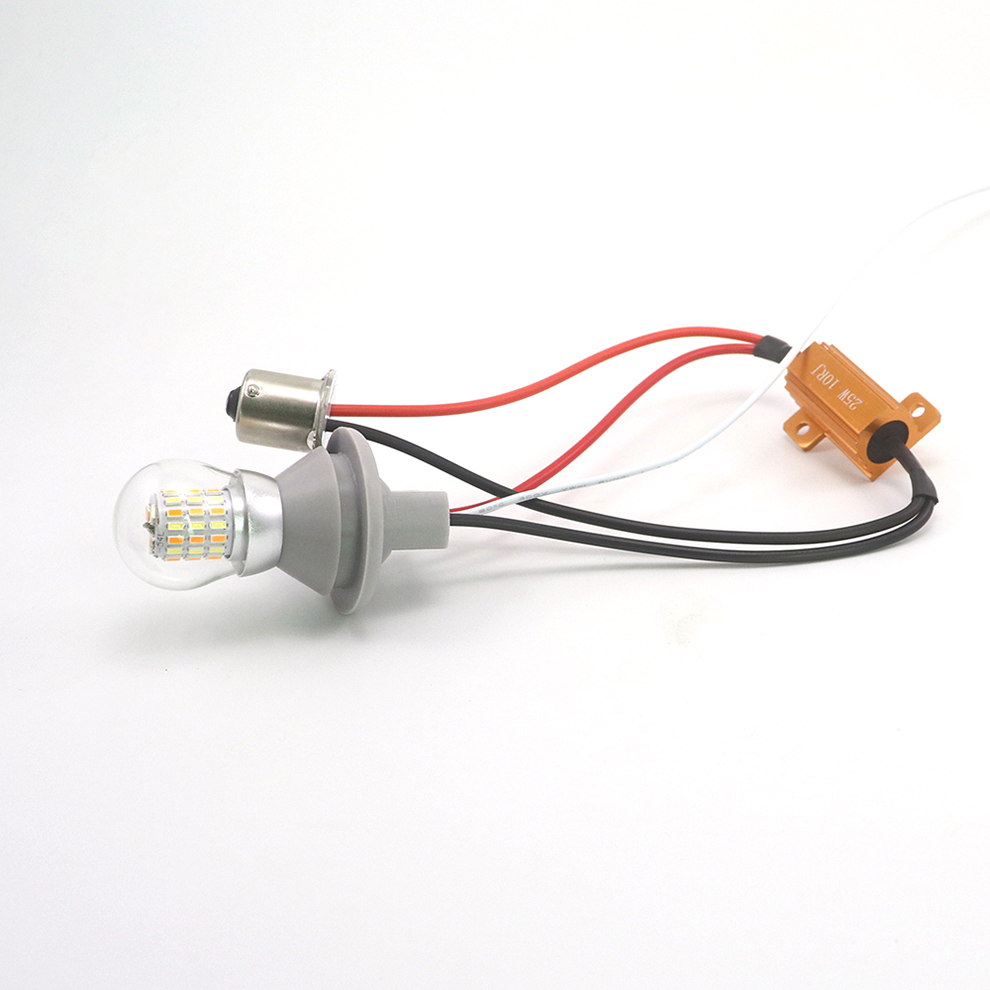
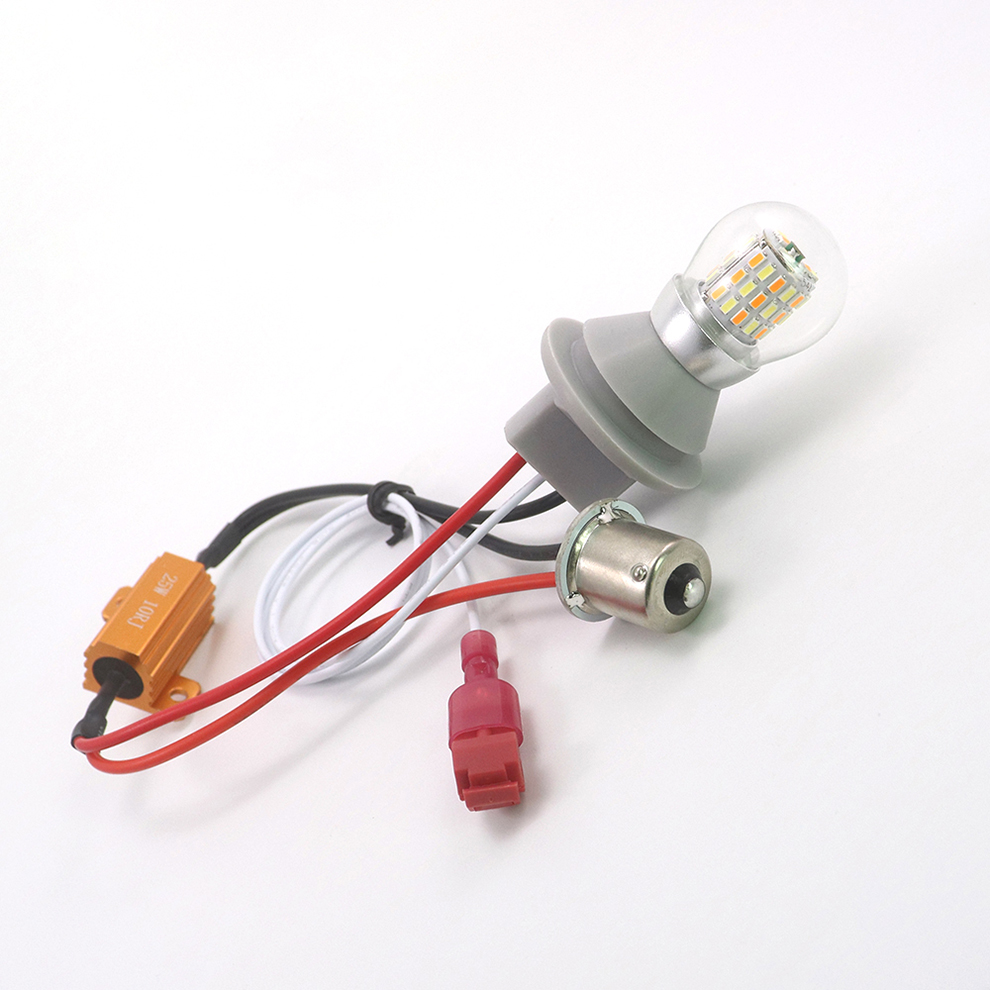
The MIDCARS® 1156XC-54L14-10R is an engineered upgrade over traditional switchback lamps, integrating a sealed high-transmittance optical glass protective cover over 54 high-density SMD 3014 LED emitters. By pairing an aviation-grade aluminum thermal core with internal silicone encapsulation and an external optical glass shield, this model delivers superior resistance against engine bay oil vapor, moisture condensation, and dust accumulation, while maintaining smooth, uniform 360° omnidirectional light distribution.
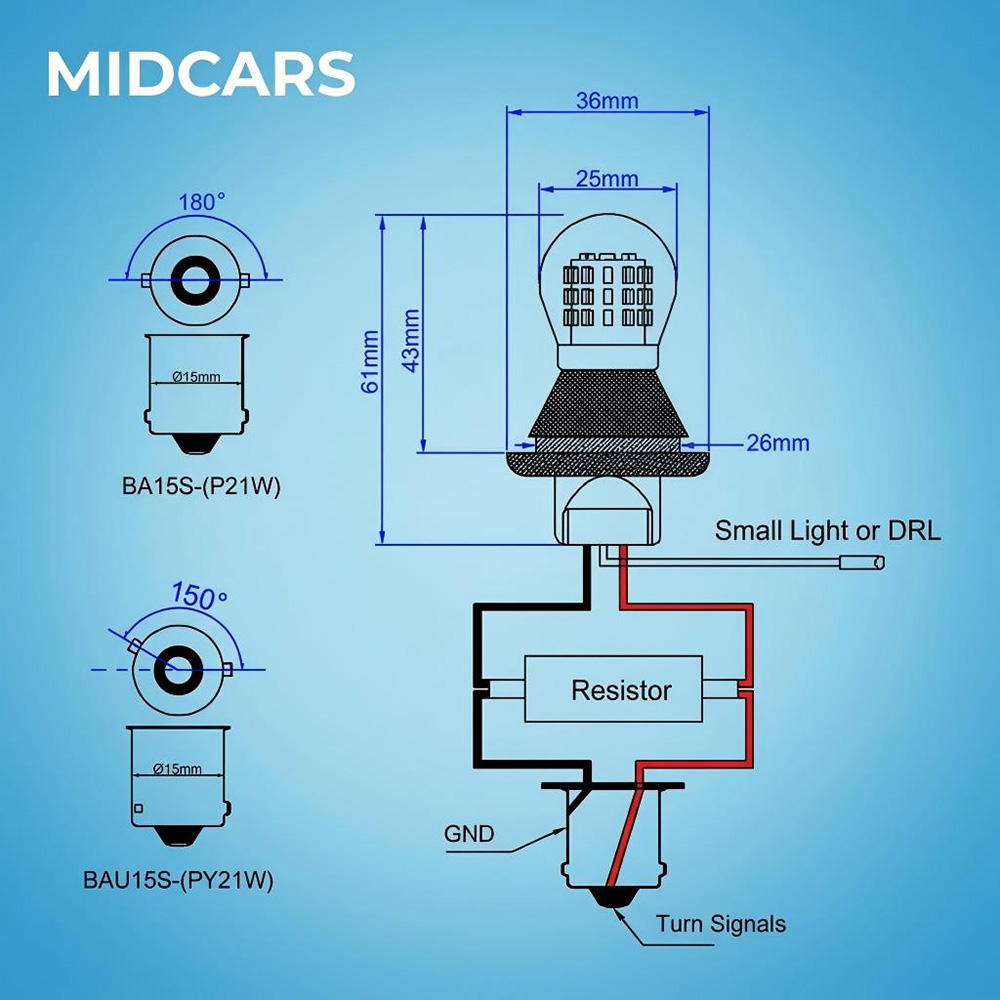
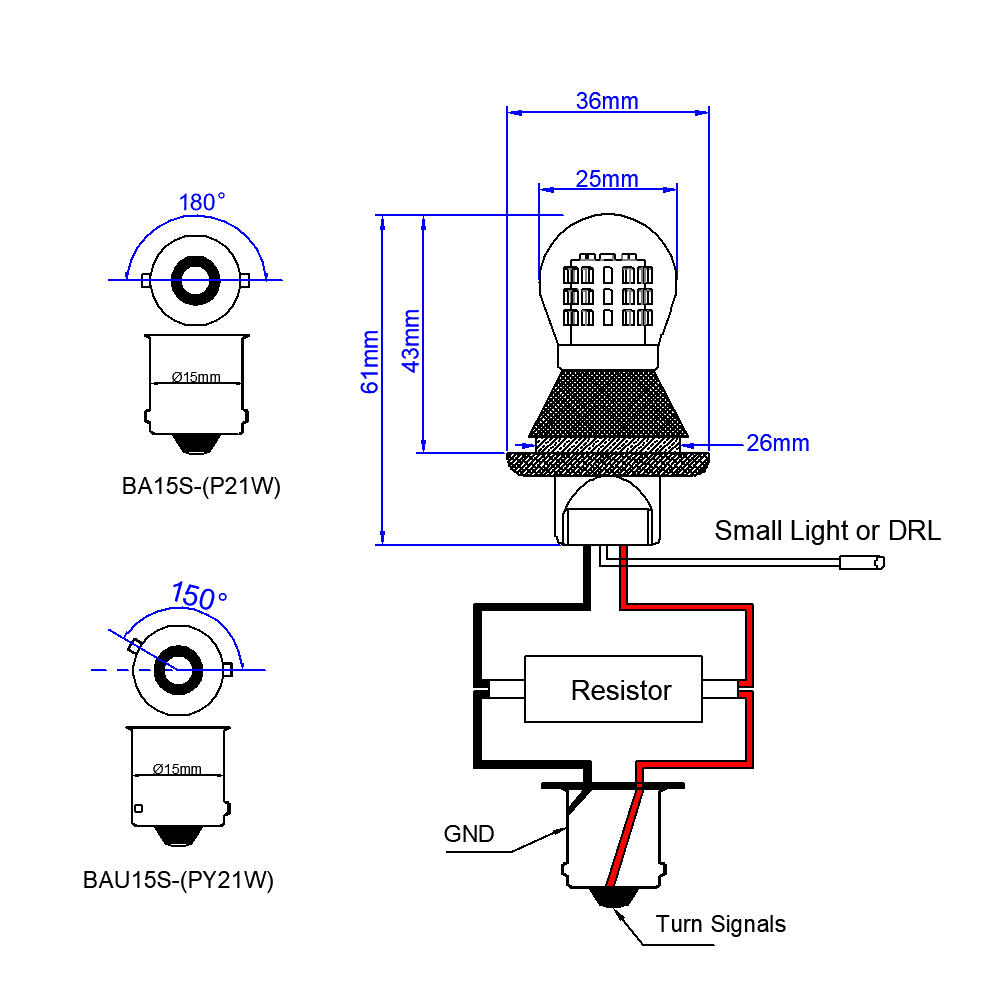
Equipped with our proven external gold aluminum Canbus load resistor system and dedicated ACC power-tap lead, the bulb draws a true 20W equivalent signaling load. It guarantees 100% error-free operation with zero hyper-flashing on sensitive 12V and 24V commercial vehicle networks.
Intelligent Switchback Operating Logic & Wiring
- Wiring Architecture: The bulb socket plugs directly into the vehicle's factory turn signal socket (taking flash/signal triggers). An extended red lead wire connects directly to the ACC fuse box or parking light circuit to supply continuous power for the White DRL.
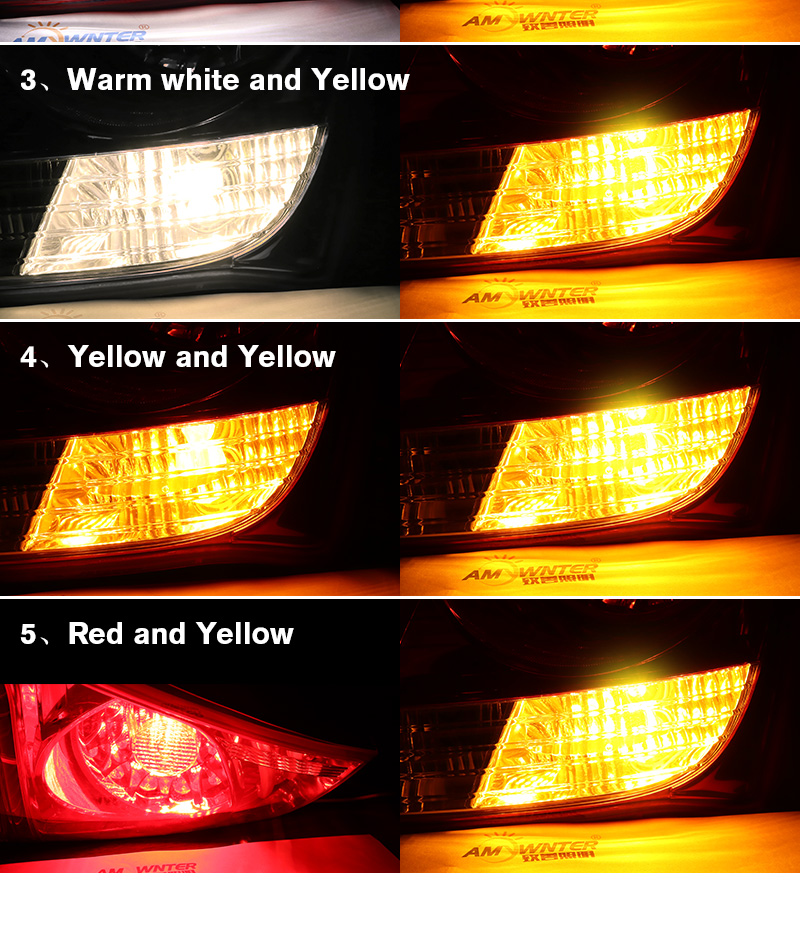
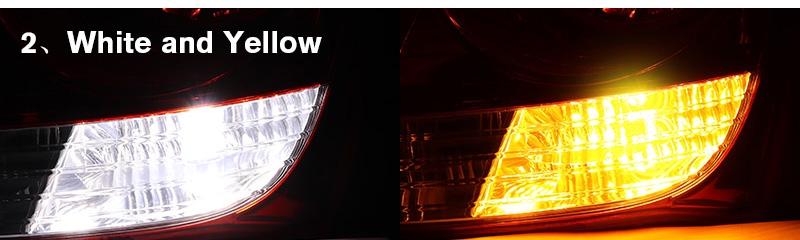
- Daytime Running Light (DRL) State: When vehicle ignition is ON and signal lever is neutral, the bulb operates in low-power 2.0W steady 6500K pure white mode, providing optimal daylight visibility for oncoming traffic.
- Dynamic Turn Signal State: When the turn indicator or hazard light is activated, the intelligent driver instantly shuts off the white light and engages the 1800K amber flash to alert surrounding motorists.
- Auto-Recovery State: Once the turn signal is canceled, the amber light turns off and the white DRL automatically restores after an engineered 1.0-second delay, preventing annoying color flickering during lane changes.
Cross-Reference & Halogen Replacement Matrix
The 1156XC-54L14-10R directly replaces traditional incandescent single-filament automotive bulbs across both global socket standards:
Standard 1: BA15S (180° Level Pins)
Directly Replaces: 1156, P21W, 7506, 1141, 1073, 1093, 1129, 1159, 1259, 1459, 1619, 1651, 1680, 2396, 3496, 5007, 5008, 7527, S25, 87, 93, 97.
Common in American and Asian vehicle front turn signals and reverse housings.
Standard 2: BAU15S (150° Offset Pins)
Directly Replaces: PY21W, 1056, 7507, 5009, 7507AST, RY10W.
Standard fitment for European vehicle turn indicator lamps (BMW, Audi, Mercedes-Benz, VW, Volvo, etc.).
⚠️ Critical Installation & Safety Guidelines for External Load Resistors
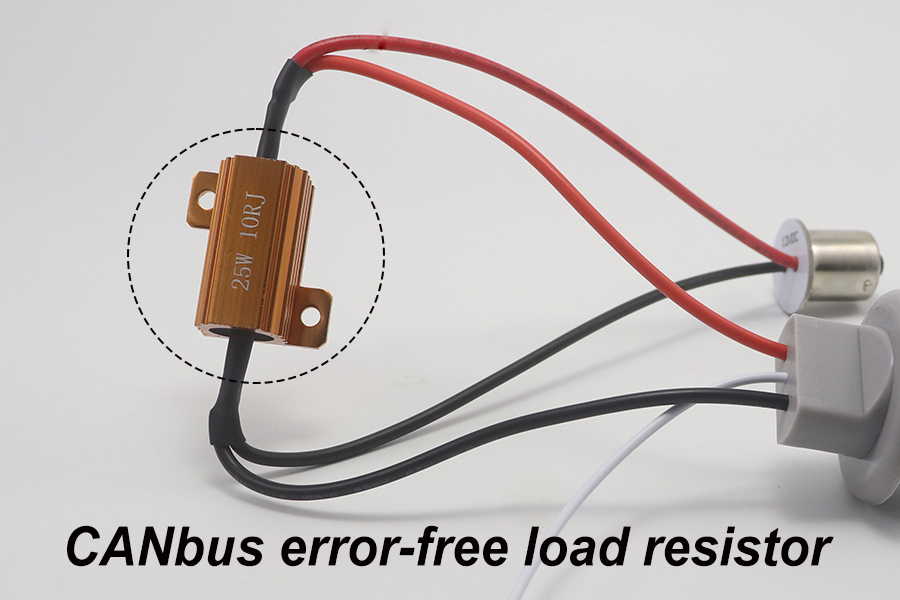
- Operating Heat Dissipation & Voltage Rating: The external gold aluminum load resistor dissipates power to simulate incandescent bulb current draw during turn signal flashing. For 12V systems, standard 25W 10 Ohm is supplied. For 24V systems (commercial trucks/buses), a dedicated 25W 27 Ohm gold load resistor is recommended (compact 25W footprint perfectly matches intermittent turn signal duty cycles). It is completely normal for the resistor body to heat up during signaling.
- Mount on Bare Metal / Chassis Only: Always mount the gold aluminum resistors securely onto flat metal vehicle chassis or engine bay metal framing using mounting screws or heat-resistant metal cable ties to ensure proper heat conduction.
- Keep Clear of Plastic & Wire Harnesses: DO NOT attach or zip-tie resistors directly onto plastic panels, plastic bumper brackets, headlight housing shells, or against wiring harnesses. Ensure the resistor is either attached to solid metal or suspended in open air.
- Simple ACC Line Connection: Connect the extended red power lead directly to the vehicle's ACC fuse circuit (or parking light wire) to automatically illuminate the 6500K White Daytime Running Light whenever the vehicle ignition is on.
Primary Vehicle Application Scenarios
1. Front Turn Signals & DRL Upgrade
Converts standard amber signal housings into high-end dual-color assemblies. Delivers brilliant 6500K white for daytime presence and instant 1800K amber for signaling.
2. Harsh Environment & Marine Applications
The sealed optical glass cover provides ultimate protection against saltwater mist, humidity, and engine oil vapor on boats, yachts, and coastal utility vehicles.
3. Heavy Commercial Trucks & Fleets (24V)
Engineered dual-voltage 12V/24V compatibility withstands severe alternator voltage surges on Volvo, Scania, and MAN commercial freight trucks.
4. Motorcycle & Retrofit Indicator Enclosures
Compact profile with full glass enclosure fits tightly inside aftermarket motorcycle bullet indicators, providing IP67 rainproof security.
B2B OEM / ODM Customization Services (Direct from Factory)
As a specialized automotive LED source manufacturer, MIDCARS® provides comprehensive private-label OEM/ODM services for global brands, importers, wholesalers, and fleet distributors:
- Product Laser Engraving: Custom logo, model number, batch code, or certification mark laser-etched onto the metal collar.
- Private Label Packaging: Custom retail packaging design including customized blister cards, anti-static foil bags, or color gift boxes with your brand identity.
- Custom Electrical & Functional Engineering: Tailored Canbus resistance matching, non-standard operating voltages (e.g. 10-30V / 36V / 48V), or customized switchback delay timing upon request.
- Low MOQ & Fast Sampling: Fast Sample Lead Time: 2-3 business days for in-stock samples, 5-7 business days for custom/out-of-stock samples; flexible scheduling for bulk orders.